
 Every year, as the blessed days of Dhul Hijjah arrive, hearts across the Ummah soften in devotion. These sacred days culminate in Eid ul-Adha, a time of deep reflection, sacrifice and submission to Allah (SWT). At the centre of this sacred occasion lies Qurbani an act that goes far beyond the physical sacrifice of an animal.
Qurbani is a powerful reminder of faith, obedience and trust in Allah (SWT). It connects us to a legacy of devotion that spans generations and unites Muslims globally including those observing Qurbani in South Africa, in a shared act of worship and compassion
What is Qurbani in Islam?
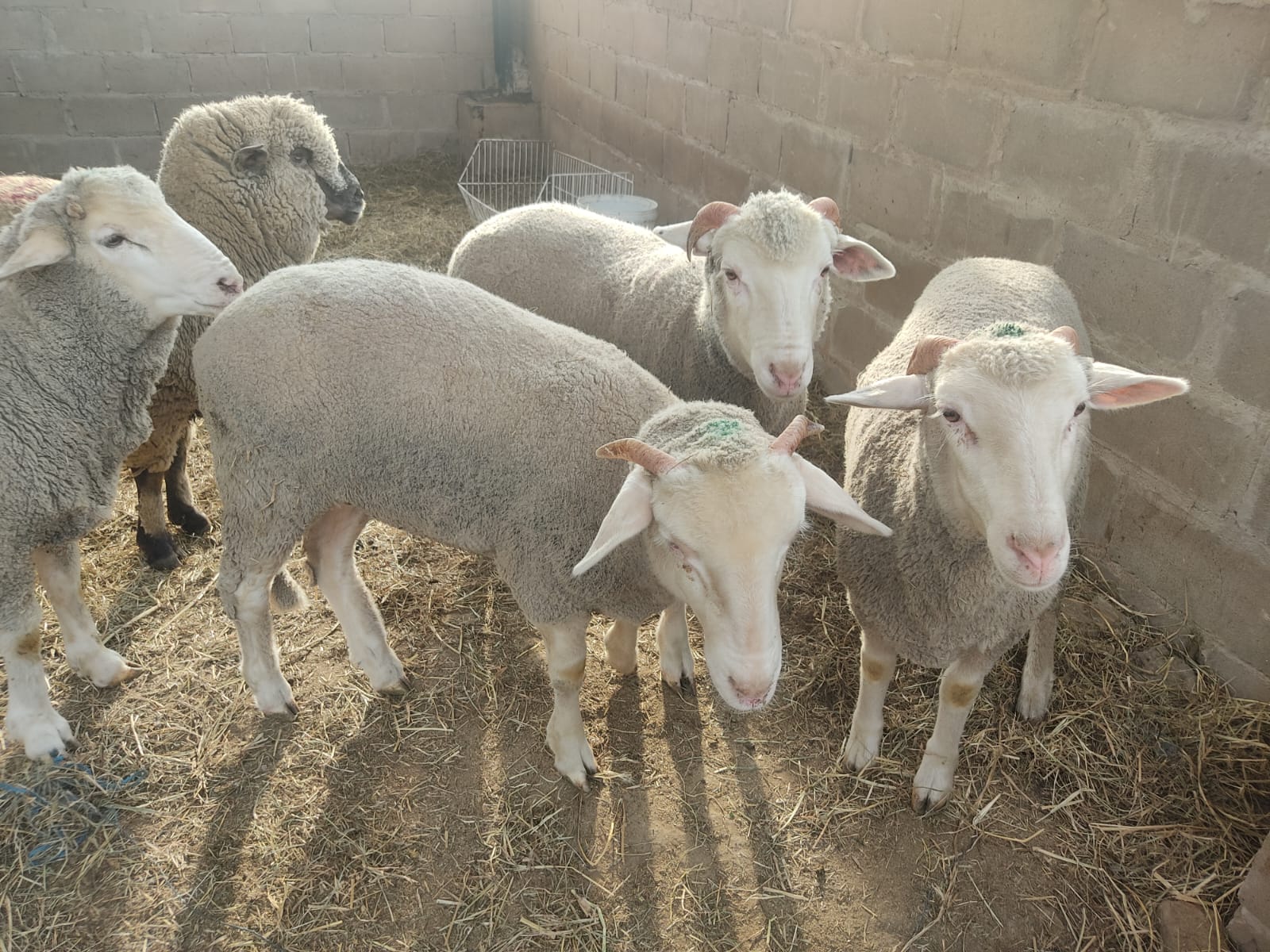
Qurbani, also known as Udhiyah, refers to the ritual sacrifice of livestock performed during Eid ul-Adha in remembrance of the devotion of Prophet Ibrahim (AS).
The word “Qurbani” comes from the Arabic root qurb, meaning “nearness.” This reflects the essence of the act: drawing closer to Allah (SWT) through obedience and sincerity.
In Islam, Qurbani is:
- An act of worship (Ibadah)
- A symbol of submission to Allah (SWT)
- A means of supporting those in need
It is performed after the Eid prayer during the days of sacrifice and its significance lies not in the act itself, but in the intention behind it.
The Story of Prophet Ibrahim (AS)
The origin of Qurbani traces back to the profound story of Prophet Ibrahim (AS) and his son, Prophet Ismaeel (AS).
Allah (SWT) tested Ibrahim (AS) with a dream commanding him to sacrifice his beloved son. Without hesitation, both father and son submitted to the will of Allah (SWT). As Ibrahim (AS) prepared to carry out the command, Allah (SWT) intervened:
“That was truly a revealing test. And We ransomed his son with great sacrifice.”
(Surah As-Saffat 37:106–107)
This moment represents the pinnacle of faith, obedience and trust in Allah (SWT). Qurbani commemorates this sacrifice not as a reenactment, but as a spiritual continuation of that devotion.